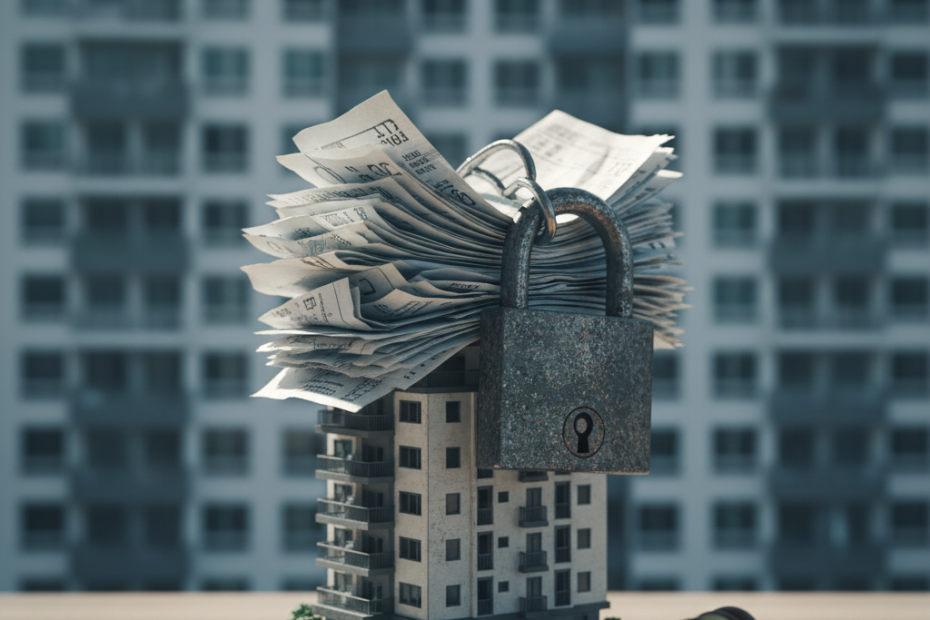
Unpaid condominium fees are a problem affecting many Brazilians. Understanding the consequences of this situation is crucial to avoid further headaches. A common question is whether condominium debts can tarnish one’s name, meaning lead to the blacklisting of one’s CPF (Brazilian individual taxpayer registry identification).
This article aims to clarify this issue in detail, explaining how the collection process works, the possible legal and financial consequences, and what you can do to prevent your condominium debts from becoming an even bigger problem. Our goal is to provide accurate and useful information so you can make informed decisions about managing your finances and your relationship with the condominium.
What happens when you don’t pay your condominium fees?
When a condominium owner fails to pay the condo fee, a collection process begins that can have several stages. Initially, the condominium usually sends extrajudicial notifications, which are friendly reminders about the outstanding debt. These notifications typically include the debt amount, applicable interest and fines, and a deadline for regularization.
If the extrajudicial notification is ineffective, the condominium can initiate a legal collection lawsuit. This process is relatively quick, as the condominium fee is considered a clear and certain obligation, which facilitates proof of debt before a judge. From the moment the lawsuit is filed, the owner is summoned to present their defense.
If the owner does not pay the debt or present a valid defense, the judge may order the seizure of assets to guarantee payment. The seizure can be on the property that generated the debt, other properties, vehicles, bank accounts, and other valuable assets of the owner.
In addition to legal consequences, non-payment can also lead to other difficulties. The delinquent owner may be prevented from participating and voting in condominium assemblies, limiting their ability to influence decisions about the building’s administration. In some cases, the condominium’s internal regulations may provide for other sanctions, such as suspension of access to leisure areas.
Can Condominium Debts Tarnish Your Name? Is Blacklisting Possible?
The answer to this question is not as simple as a yes or no. Traditionally, condominium debts were not considered eligible for blacklisting, as it was understood that it did not involve a typical consumer relationship. However, jurisprudence has evolved, and in some cases, blacklisting can indeed occur.
The possibility of blacklisting the delinquent owner’s name depends on several factors. The first is the existence of a court decision recognizing the debt. Without a conviction, including the name in default registries is considered illegal.
Furthermore, the condominium must have taken steps to try to collect the debt amicably, such as sending extrajudicial notifications. Blacklisting should only be used as a last resort, after all other negotiation possibilities have been exhausted.
Another important point is that blacklisting must be done correctly, following the rules established by the Consumer Defense Code and data protection legislation. The owner must be notified in advance about the inclusion of their name in default registries and must have the opportunity to pay the debt or present their defense.
It is important to emphasize that improper blacklisting can lead to compensation for moral damages. If the condominium blacklists the owner’s name without complying with legal requirements, it may be held liable to pay compensation.
How to Prevent Your Condominium Debts from Tainting Your Name
The best way to avoid having your name blacklisted for condominium debts is to keep payments up to date. If you are facing financial difficulties, contact the condominium manager or administrator to try to negotiate an agreement. It is often possible to pay the debt in installments or get a discount for a lump-sum payment.
Another important tip is to organize your finances and create a financial plan. Record all your expenses and income, and set priorities. If the condominium fee is a high expense, try to reduce other spending to ensure you have the money to pay it on time.
If you already have overdue condominium debts, do not wait for the situation to worsen. Contact the condominium as soon as possible to try to negotiate an agreement. The sooner you act, the greater the chances of avoiding blacklisting and other more serious consequences.
Additionally, be aware of your rights. If you receive a blacklisting notification, check if it complies with the law. If you identify any irregularities, seek legal counsel to take the necessary measures.
What to do if your name is improperly blacklisted for condominium debts?
If your name has been improperly blacklisted for condominium debts, the first step is to contact the company that blacklisted your name (Serasa, SPC, etc.) and file a complaint. Explain the situation and provide documents proving that the blacklisting is undue (proof of payment, installment agreement, etc.).
The company will have a deadline to analyze your complaint and take action. If the blacklisting is indeed undue, it should be removed from the default registries. If the company does not resolve the issue, you can file a lawsuit against the condominium and the company, requesting the removal of the blacklisting and compensation for moral damages.
To file a lawsuit, it is important to hire a lawyer specialized in real estate law. The lawyer can analyze your case, advise you on your rights, and represent you in court.
What is the statute of limitations for condominium debts?
The statute of limitations for condominium debts is five years, counted from the due date of each installment. This means that after five years, the condominium loses the right to collect the debt judicially. However, it is important to note that the statute of limitations does not extinguish the debt itself. The owner still owes the amount, but the condominium can no longer legally compel them to pay through a lawsuit.
Even if the debt has expired, the condominium can attempt to collect it amicably. Furthermore, an expired debt can lead to other consequences, such as the inability for the owner to sell the property or obtain financing.
Conclusion
Condominium debts can, in some cases, lead to the blacklisting of the delinquent owner’s name. To avoid this situation, it is essential to keep payments up to date and, in case of financial difficulties, contact the condominium to negotiate an agreement. If you have been improperly blacklisted, assert your rights and file a lawsuit if necessary.
Remember that condominium non-payment can lead to various negative consequences, both for the owner and for the condominium. Therefore, it is important to maintain a good relationship with the condominium and avoid payment delays.
Summary
- Condominium debts can lead to blacklisting, but it depends on a court decision.
- Negotiate with the condominium in case of financial difficulties.
- Check your rights if you are improperly blacklisted.
- The statute of limitations for the debt is 5 years.
Tips
- Keep your condominium bills paid on time.
- Organize your finances to avoid delays.
- Contact the manager to negotiate in case of difficulties.
- Know your rights and duties as a condominium owner.