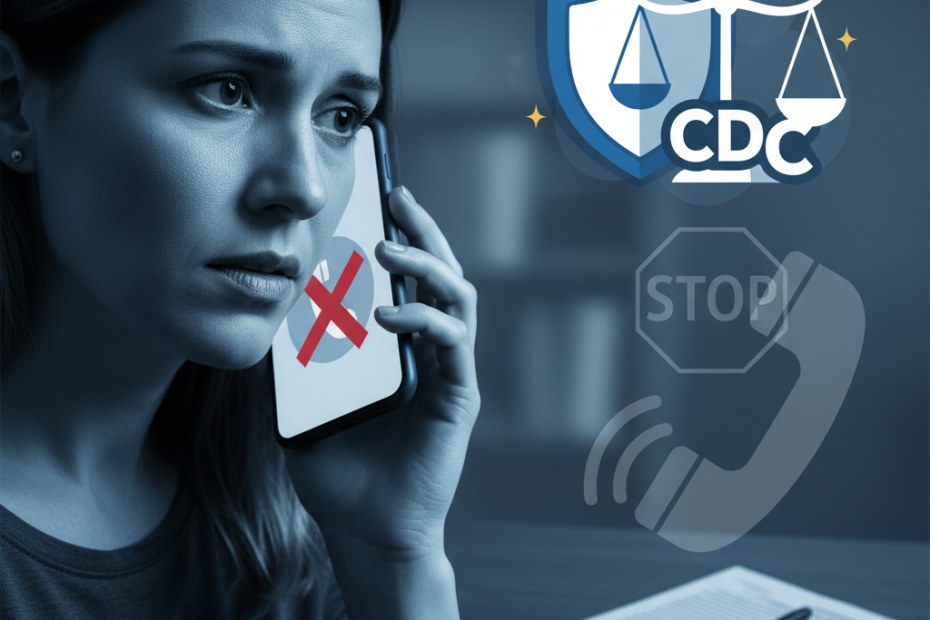
Phone Debt Collection: Your Rights
This article provides detailed information about your rights regarding phone debt collection. The goal is to empower you to handle these situations in an informed and assertive manner, protecting yourself against abusive practices. Understanding your rights is fundamental to avoiding embarrassment and ensuring that collections are carried out ethically and legally. We will cover the laws that protect consumers, practices prohibited by collection agencies, how to identify improper collection, and the steps you can take to defend yourself and report abuses. Phone debt collection, when conducted improperly, can cause significant stress and disturbance. Therefore, detailed knowledge of your rights is an essential tool for your protection.
What the Law Says About Phone Debt Collection
In Brazil, phone debt collection is regulated by the Consumer Defense Code (CDC). The CDC establishes clear guidelines on how companies can approach consumers regarding debts. Article 42 of the CDC expressly prohibits exposing the consumer to ridicule or any form of harassment during phone debt collection or by any other means. This means that the company cannot make threats, use offensive language, or disclose the debt to third parties.
Furthermore, Article 71 of the CDC defines as a crime the use of threats, coercion, physical or moral constraint, false, incorrect, or misleading statements in debt collection. The penalty for those who commit these acts can range from detention of three months to one year, in addition to a fine. Therefore, it is crucial that you are aware of these rights to protect yourself against illegal practices in phone debt collection.
Abusive Practices in Phone Debt Collection
There are several practices considered abusive in phone debt collection, and it is important to know how to identify them to protect yourself. Some of the most common include:
- Excessive Calls: The company cannot call insistently, disturbing your peace at inappropriate times or too frequently.
- Threats: It is prohibited to make threats of asset seizure, imprisonment, or any other form of intimidation.
- Offensive Language: The use of profanity, insults, or any type of verbal aggression is illegal.
- Calls at Inappropriate Times: Calling too early in the morning, late at night, or on weekends and holidays can be considered abusive.
- Disclosure of Debt: The company cannot inform third parties about your debt, such as family members, friends, or colleagues.
- Calls to the Workplace: Phone debt collection at the workplace can be considered abusive, as it exposes the consumer to embarrassment in front of colleagues and superiors.
- False or Misleading Information: The company cannot provide false information about the debt, such as incorrect amounts, abusive interest rates, or non-existent deadlines.
How to Identify Improper Debt Collection
Identifying improper phone debt collection is the first step to protecting yourself. A collection can be considered improper for various reasons, such as:
- Debt Already Paid: If you have already paid the debt but continue to receive collection calls, it is important to gather proof of payment and contact the company to clarify the situation.
- Unrecognized Debt: If you do not recognize the debt being collected, it may be a case of fraud or company error. In this case, it is essential to dispute the collection immediately.
- Incorrect Amount: If the amount charged is different from the actual debt amount, with abusive interest or undue charges, the collection is considered improper.
- Statute-Barred Debt: In Brazil, debts have a statute of limitations, which varies according to the type of debt. After this period, the debt can no longer be collected judicially. However, the company may still attempt phone debt collection, but you are not obligated to pay.
What to Do When Receiving a Collection Call
When receiving a phone debt collection call, it is important to remain calm and follow a few steps to protect yourself:
- Note the Information: Write down the company name, the agent’s name, the phone number they are calling from, the debt amount, and the contract number (if applicable). This information will be useful if you need to make a complaint or report.
- Stay Calm: Do not be intimidated by the tone of the conversation. Remain calm and speak clearly and objectively.
- Question the Debt: If you do not recognize the debt or have doubts about the amount being charged, question the agent and ask for clarification.
- Request Proof: Ask the company to send written proof of the debt, with all details, such as the contract, the original amount, and the applied interest and fees.
- Do Not Provide Personal Data: Do not provide your personal data, such as document numbers, address, or bank details, until you are sure the collection is legitimate.
- Record the Call: If possible, record the call. The recording can be used as evidence in case of abuses or improper collections.
- Inform Yourself About Your Rights: Know your rights as a consumer and how to defend yourself against abusive practices in phone debt collection.
How to Defend Yourself Against Abusive Practices in Phone Debt Collection
If you are suffering from abusive practices in phone debt collection, there are several measures you can take to defend yourself:
- File a Complaint: File a complaint with consumer protection agencies, such as Procon. The complaint can help resolve the issue and prevent others from falling victim to the same company.
- Make a Report: If the company is committing crimes, such as threats or harassment, file a report at the police station.
- Seek Legal Counsel: If you cannot resolve the issue on your own, seek a lawyer specializing in consumer law. They can guide you on the best course of action and, if necessary, file a lawsuit against the company.
- Use the Consumidor.gov.br Website: The Consumidor.gov.br website is an online platform of the federal government that allows for the resolution of conflicts between consumers and companies. Register your complaint on the website and await the company’s response.
- Block the Number: If the phone debt collection calls are becoming unbearable, you can block the number on your mobile phone.
The Role of Consumer Protection Agencies
Consumer protection agencies, such as Procon, play a fundamental role in protecting consumer rights. They are responsible for overseeing companies, receiving complaints, mediating disputes, and applying sanctions in cases of irregularities. By filing a complaint with Procon, you are helping the agency act in defense of consumer rights and prevent others from being harmed.
Furthermore, consumer protection agencies offer free legal guidance to consumers, informing them about their rights and how to defend themselves against abusive practices. Therefore, if you are facing problems with phone debt collection, do not hesitate to contact Procon or another consumer protection agency.
Tips to Avoid Problems with Phone Debt Collection
To avoid problems with phone debt collection, follow these tips:
- Keep Your Data Updated: Keep your registration data updated with the companies where you have debts. This facilitates contact and prevents improper collections.
- Pay Your Debts on Time: The best way to avoid phone debt collection is to pay your debts on time. If you are experiencing financial difficulties, contact the company and negotiate a payment agreement.
- Keep Proof of Payment: Keep all proof of payment for your debts. They are evidence that you have paid what you owed and can be used for defense in case of improper collections.
- Monitor Your Name: Regularly monitor your name in credit protection agencies, such as Serasa and SPC. This allows you to identify potential fraud or improper debts in your name.
- Be Careful With Your Personal Data: Be cautious with your personal data and avoid providing it on suspicious websites or calls. Scammers may use your data to make purchases or contract services in your name, generating undue debts.
Summary: Phone Debt Collection and Your Rights
- Phone debt collection is regulated by the Consumer Defense Code (CDC).
- The CDC prohibits exposing the consumer to ridicule or any form of harassment.
- Abusive practices include excessive calls, threats, and offensive language.
- Identify improper collections: debt already paid, unrecognized, or incorrect amount.
- When receiving a call, note the information, stay calm, and question the debt.
- File complaints with Procon and report crimes to the police.
- Consumer protection agencies offer free legal guidance.
- Keep your data updated and pay your debts on time to avoid problems.
Extra Tips
- If you do not recognize the debt, request written proof.
- Record calls as evidence in case of abuse.
- Seek a lawyer specializing in consumer law if necessary.